The Wisdom of Not Knowing

Our minds crave certainty, typically constructing elaborate belief systems to protect us from the vulnerability of not knowing. Yet the truth is that uncertainty is the ground of existence itself. You can never truly know what the next moment will bring or whether your interpretations of reality are accurate. When you relax your desperate grip on knowing, a newfound peace can emerge, along with an openness to discovery that transforms your experience of life.

The spiritual path of not knowing is paradoxically more stable than clinging to fixed ideas, because it moves with reality rather than resisting it. This does not mean abandoning discernment or becoming passive. Rather, it means holding your views lightly, remaining curious about perspectives different from your own and recognising that mystery is not a problem to be solved but the very nature of existence and the universe. In this not knowing, intuition and wisdom have room to arise. By releasing the need for absolute certainty, you create space for deeper understanding and authentic connection with the present moment, allowing you to navigate life with greater clarity, flexibility and inner peace.

Find Calmness in Between

Have you noticed how the harder you try to calm a chaotic mind, the more restless it can become? When actively trying to calm a busy mind backfire, focusing on the spaces between your thoughts offers a more effective path to relaxation and focus. These natural gaps, present even in the most chaotic minds, can provide you with an anchor for your attention. By observing and expanding these gaps, you create space for greater calm, allowing thoughts to naturally recede and leading to a more peaceful and centred state of being. Through this practice, you can find tranquillity amidst mental noise, leading to greater clarity, focus, and overall well-being.

Small Moments Make a Big Difference

Even with meditation or mindfulness practice, life’s rush often pulls us away from the present moment, leading to a pattern of rushing through life without truly being present. However, even a brief pause to observe a few breaths can significantly impact your well-being. This simple practice of mindful breathing allows you to relax, refocus your mind, reconnect with the present moment, reduce stress and increase clarity, Embrace intentional breathing to reclaim calm and clarity in your day – small moments make a big difference. Visit our webshop for a complimentary “Breathe with Purpose” activity to learn more.

Inner Stillness

Unplug from the mental chatter and discover the power of the space between your thoughts. Cultivating this inner stillness offers a direct path to greater calmness, clarity, and a more centred you. By prioritising these moments of quiet, you’re investing in your well-being, paving the way for a more authentic and truthful experience of yourself and the world around you. This practice isn’t just about mindfulness or meditation; it is about reclaiming your peace of mind and unlocking your true potential.

Retune Your Mind to Find Focus and Control

Many life challenges stem from a lack of mental focus, as you allow your mind to wander and generate unwanted thoughts and emotions. By learning to retune your mind to a more focused frequency, you gain greater control over your thoughts, reactions and emotions. Consistent practice allows you to shift your emotional state to choose how you feel and experience life with more intention, purpose, clarity, and a greater sense of inner peace, leading to a more authentic and fulfilling existence.

Struggling with meditation or mindfulness?

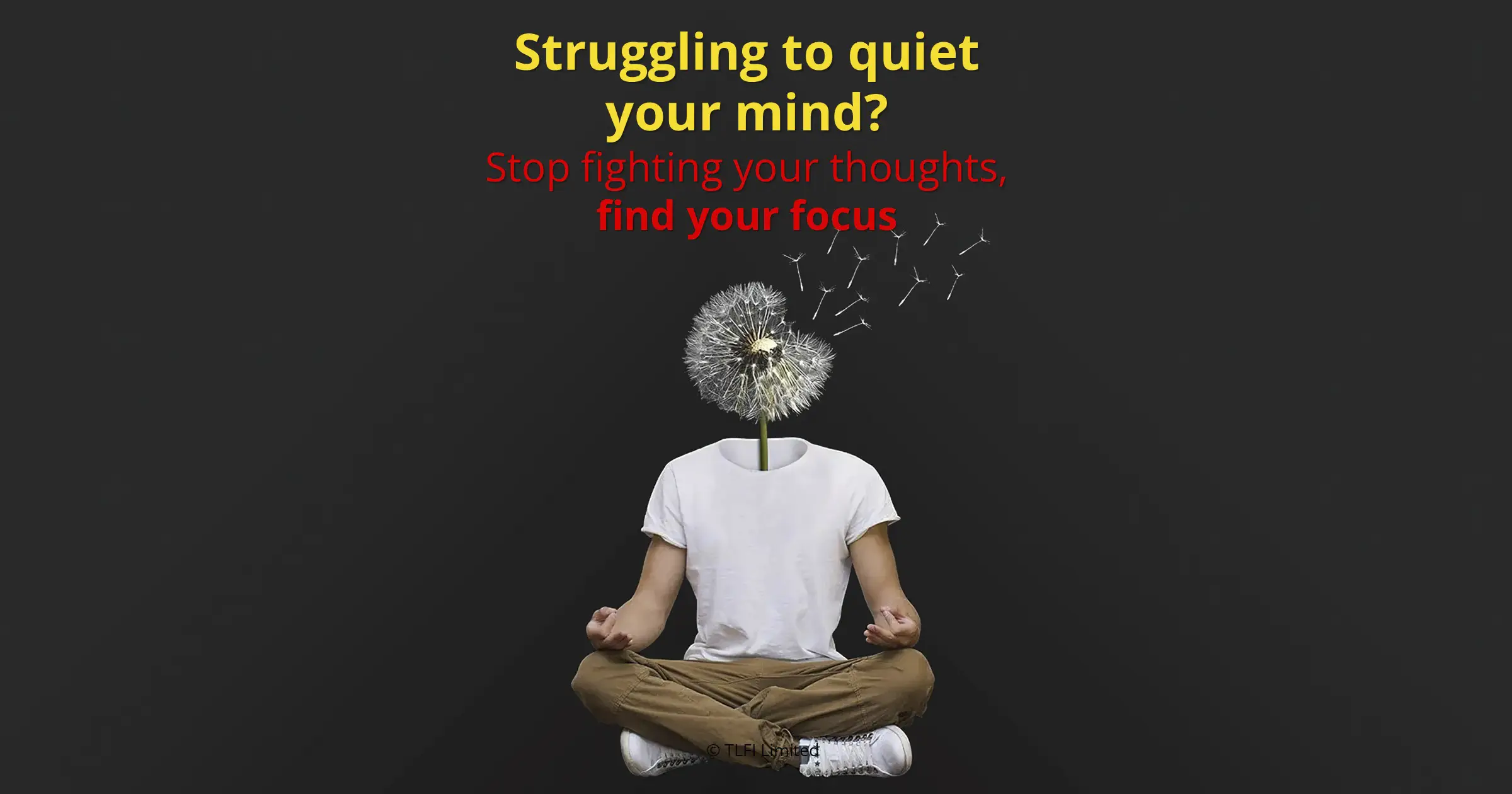
Many people struggle with mindfulness and meditation by trying to eliminate thoughts, but this very effort is a thought in itself. A more effective approach is to focus on the silence between thoughts. By observing these natural gaps and allowing them to expand, you create space for calm and facilitate a deeper meditative state. This powerful shift provides a fresh foundation for achieving improved meditation without the pressure of clearing your mind completely. This technique can be successful for many of us as it moves the focus away from the struggle with thoughts. As you focus on cultivating inner stillness, this naturally leads to a more peaceful mind and a more authentic and effective meditation or mindfulness practice.


Stop fighting your thoughts – focus on the silence between them. Discover calm, clarity, and a peaceful mind with this simple mindfulness shift.

Silence the Noise: Stop Fighting Your Thoughts

One common struggle with mindfulness and meditation is the difficulty of clearing the mind. Ironically, trying too hard often causes more distractions with the very act of trying to create calmness, resulting in more mental clutter. Instead of attempting to eliminate thoughts, focusing on a single point of attention can help you create an initial foothold or beachhead of quiet. With practice, this quiet can be expanded, creating a peaceful space even amidst mental noise. This approach allows you to find calm and focus without the frustration of battling your thoughts, which leads to a more effective mindfulness practice and greater inner peace.

The Secret of Focused Thinking

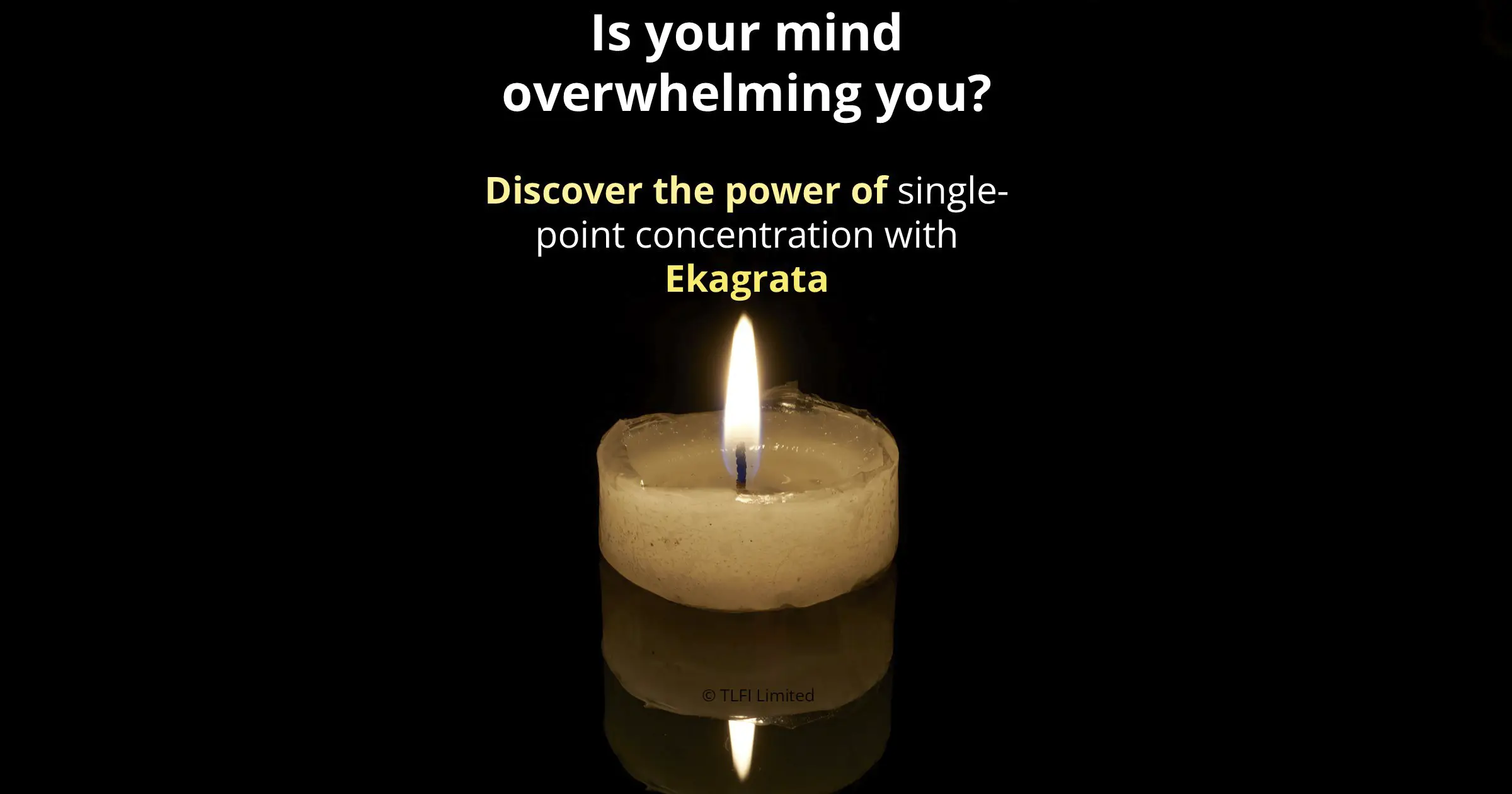
Struggling to calm your busy mind? You’re not alone. Many people find it challenging to quiet their minds during mindfulness or meditation, but trying to force a blank mind often backfires. Instead of forcing your mind to go blank, focus on mastering Ekagrata – the art of single one-pointedness of thought. Ekagrata involves directing your attention to your breath or a mantra, gently acknowledging stray thoughts without letting them take control. This practice trains your mind to attend to one thing at a time, preventing overwhelming thoughts. By practising intentional focus, you gain precision and control over your mind, leading to greater focus, clarity, and a more authentic and effective mindfulness or meditation practice.

Embrace the Light Within

Your inner Life Force, like a flower, is naturally expressive and beautiful but can become closed off by negative thoughts, actions, and emotions. When you let go of material distractions and open yourselves to the light of higher awareness, you uncover your true beauty and potential. By opening yourself to the light: embracing positive energy and releasing material attachments, you allow your true, higher selves to blossom. By embracing this light, you can awaken and express the most authentic aspect of your true self.

Discover the Power to Meditate Anytime

While dedicated meditation in a quiet space is valuable, the true power of meditation or mindfulness lies in its ability to pause your thinking. You should not need a specific time or location to benefit from these practices; you can apply aspects of their techniques anywhere or anytime. Incorporating mindful awareness into your daily life, especially during hectic or stressful moments, can provide significant relief and enhance your well-being. By utilising aspects of meditation or mindfulness in the midst of challenges, you gain greater resilience, clarity, and inner peace, allowing you to navigate life’s ups and downs, and helping you stay grounded, clear, and in control.

Face your Shadows to Find your Freedom

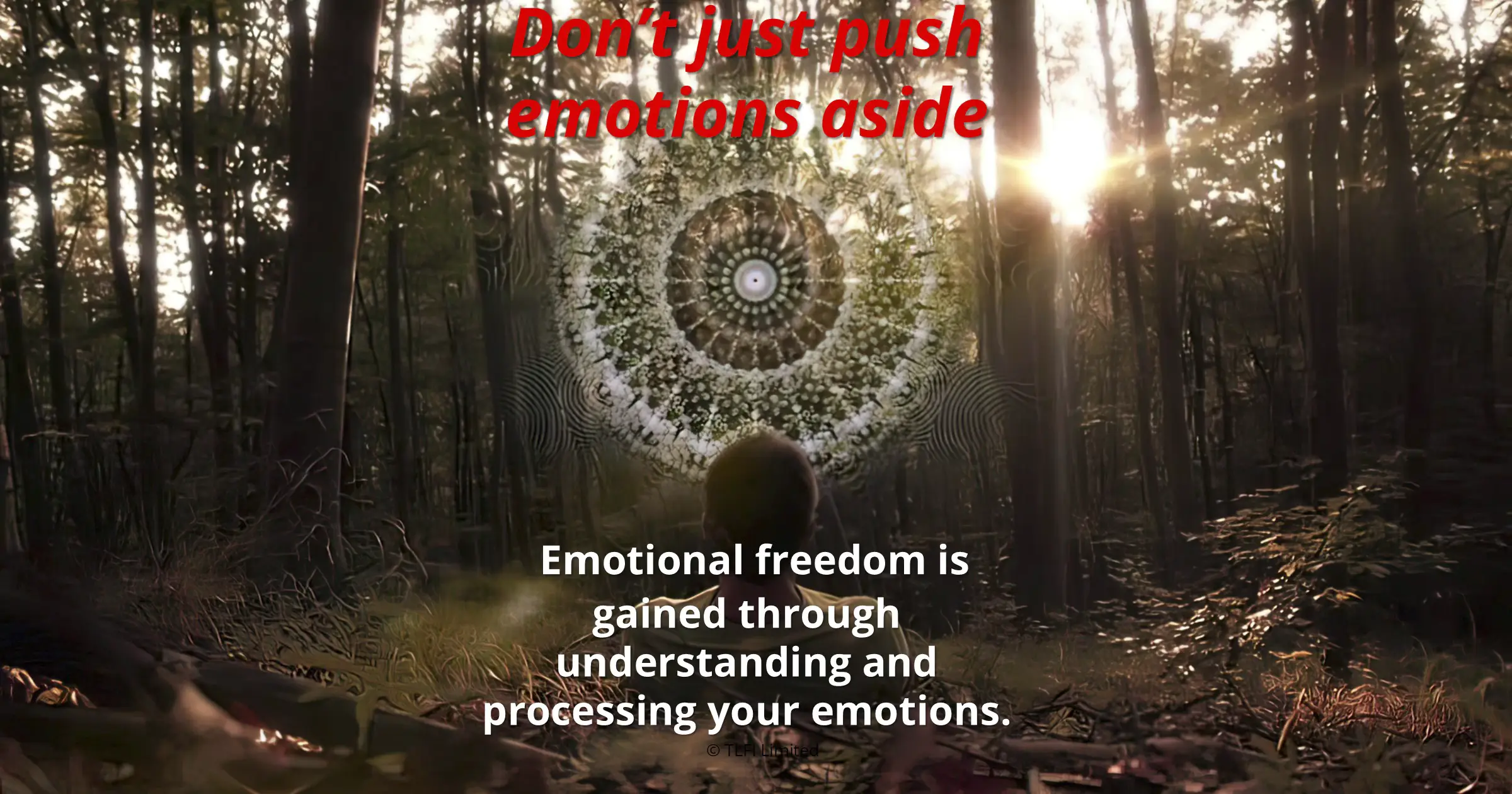
While focusing your attention in meditation or mindfulness is valuable, simply pushing aside unwanted thoughts and emotions doesn’t make them disappear. These suppressed aspects continue to linger on the edge of your awareness, potentially creating problems. While ignoring negative emotions may seem like a quick fix, they remain in your subconscious, affecting your reactions. True growth comes from understanding and processing these unresolved emotions, allowing you to move beyond them and stop reacting to their influence. If left unchecked, they can build up and cause unforeseen problems, much like Pandora’s box. By addressing them, you break free from their hold.

Connect with Your True Self Through Meditation

Meditation comes in many forms, but at its core, it’s about anchoring your mind in the present moment instead of being lost in past regrets or projecting into the future. This practice empowers you to master your mind and connect with your highest self. By cultivating awareness through meditation, you gain greater self-awareness, clarity, and inner peace, leading to a more authentic, truthful, and fulfilling life aligned with your true potential.

Finding Gaps Amongst your Thoughts

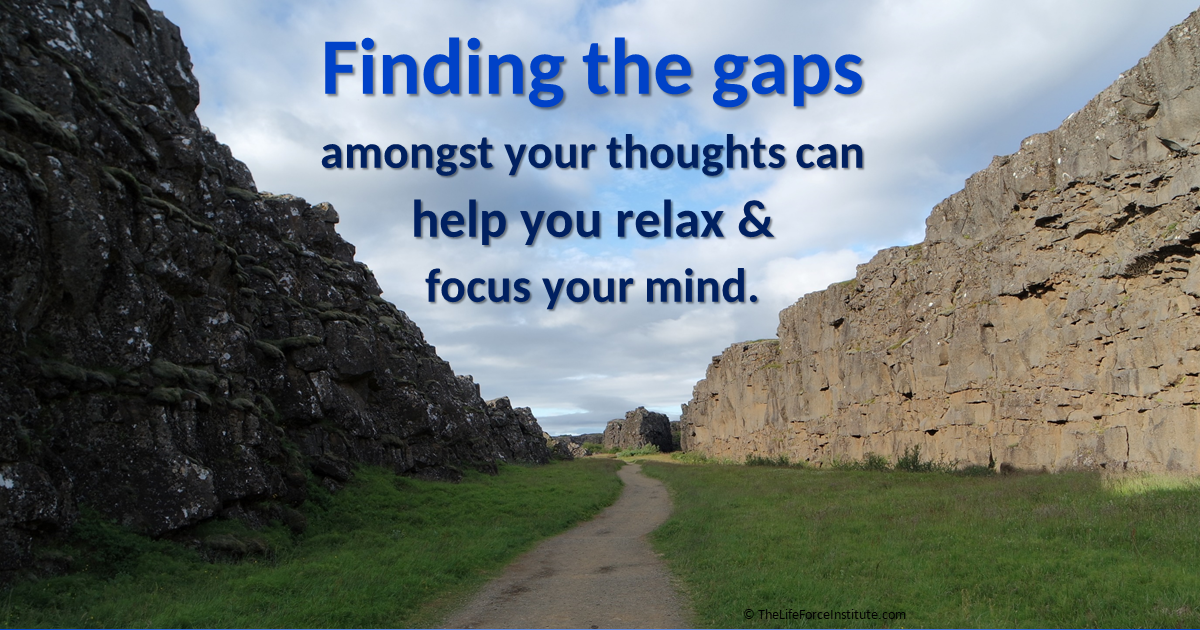
Sometimes, the more you try to calm or focus your thoughts, the more chaotic or disorganised they become. Finding the gaps amongst your thoughts can be an excellent means to help you relax and focus your mind. Even in a loud or disorderly mind, there can be gaps between your thoughts. So rather than trying to directly calm thoughts, find the gaps in between your thoughts. Then focus on these gaps, witnessing them grow larger. As the gaps grow larger, they will push your thoughts to the side of your mind, allowing you to achieve a calmer state of mind.

The Space Between your Thoughts

Witnessing the space between your thoughts can be an effective means to help you calm your mind and achieve aspects of meditation.

It can be common to hear people ask “How can I clear my head when I meditate?” Often, the more you try, the more that your thoughts seem to arise. This can be entirely expected, as trying to clear your head is also a thought.

So do not try to get rid of your thoughts, as for most people, this will not work. Instead, you need a way to bring focus to the mind, through a process called Ekagrata. Even in a noisy or chaotic mind, there will be spaces between your thoughts. So instead of focusing on the thoughts which you are trying to push aside, apply your focus on the space or gap between the thoughts. All the while, as you continue to focus on the space between the thoughts, witness this space become larger, so that it fills more of your mind. Continue to focus on the space so that it pushes more and more of your thoughts to the side of your mind or your thinking. Gradually this quiet space will grow to provide you with an opportunity to have some calmness of mind, from which you can continue with your other mindfulness or meditation activities.