What Truly Matters

Simplicity is not deprivation but liberation. It represents releasing the unnecessary to create space for what is truly essential or important in your life. In a culture that equates accumulation with success, choosing simplicity becomes a conscious act of going against the flow.

This practice requires repeatedly asking yourself questions: Does this align with my deepest values? Does this nourish my being or merely distract me? Am I accumulating from genuine need or unconscious habit? These questions help you clear away clutter across all dimensions: physical, mental, emotional and spiritual. Through this clearing, you reveal what truly deserves your limited time and energy.

The practice is not about minimalist aesthetics but should instead be applied to all aspects of life. You make clear and conscious choices about what is required and needed, not what is wanted or deserved. Simplicity does not mean conforming to identical preferences or following prescribed formulas. It means gaining clarity about your unique priorities and arranging your life accordingly. This offers the opportunity for greater balance because you are no longer scattered across countless superficial concerns. Instead, you focus on cultivating depth in the few areas that truly matter to your awakening and well-being.

Cultivating Wonder

You once possessed a natural capacity for wonder, seeing each experience as new and remarkable, approaching the world with fresh eyes that found magic in ordinary things. Children live in this state effortlessly, marvelling at insects, captivated by clouds, delighted by patterns of light on water. Yet somewhere along your journey into adulthood, you may have lost this quality through the grinding familiarity of repeated experiences and the relentless pace of living. Along the way, wonder became categorised as childish, something to be outgrown along with fairy tales and imaginary friends, dismissed as impractical daydreaming that has no place in adult life. This loss represents one of the great tragedies of conventional maturity, yet few people recognise what they have sacrificed in the name of growing up.

Wonder is not childish, but rather it can be a sophisticated spiritual state that recognises the astonishing miracle of existence itself. When you truly contemplate that anything exists at all rather than nothing, that consciousness arose from matter, that you somehow became aware of your own awareness, that the universe organised itself into stars and planets and eventually into beings capable of questioning their own existence, you encounter genuine wonder. This is not naive optimism or denial of reality’s difficulties but a choice to remain aware of existence’s mystery and beauty, even as you handle necessary tasks and navigate genuine challenges. You can acknowledge suffering whilst still marvelling at the intricate complexity of a single flower. You can face difficulties whilst remaining astonished that you are here to face them at all. Wonder does not require perfect circumstances but rather a shift in perception that refuses to take existence for granted, simply because you have become accustomed to it.

Wonder must be cultivated deliberately because your default mode moves towards familiarity and automation. You can actively seek wonder in so many ways every day. Wonder can be found in nature’s endless creativity, in human ingenuity or artistic expression, in the miraculous workings of your own body and in the mysterious depths of your own mind, to name just a few. Take a moment to simply watch how your hand moves according to your intention, consider how your brain translates chemical signals into the experience of taste, or observe how thoughts arise seemingly from nowhere. These everyday things become invisible through repetition unless you consciously choose to see them. This practice of simple observation counteracts the deadening effect of routine that turns your life into an endless series of automatic responses.

When you approach existence with wonder, you are essentially saying yes to the adventure of being alive, embracing its uncertainty and perpetual newness, rather than trying to make everything known, controlled and safely predictable. Wonder opens you to possibilities, where cynicism sees only limitations. It keeps you curious and allows you to be surprised, whereas jadedness expects disappointment. Wonder is the antidote to the cynicism that poisons so many lives, the doorway back to the enchantment that makes existence worth experiencing rather than enduring. This does not mean forcing false positivity or pretending difficulties do not exist, but rather refusing to allow hardship to close your eyes to the nature of the reality you inhabit. You can hold both truth and wonder simultaneously, acknowledging what is difficult whilst remaining astonished by what is beautiful and in this balance, you discover a way of being that neither denies reality nor succumbs to the weight of taking it all for granted.

Life Becomes a Blur

Life often becomes a blur when you rush through it, leaving you disconnected from the world around you and from yourself. This disconnection can negatively impact your health and happiness. The good news is that simply pausing to fully focus on one thing, even briefly, can help to clear your mind and boost your well-being. By intentionally slowing down and focusing your mind on just one thing, you can rediscover the richness of the present moment. This simple act of mindful focus will allow you to experience more by appreciating the beauty and depth of each moment, leading to a more fulfilling and purposeful life, one moment at a time.

Overcome the Hidden Thoughts Shaping Your Reactions

Many thoughts pass through your mind unnoticed, yet they influence your reactions without your awareness. By pausing to listen within, you can become aware of the often unconscious thoughts that drive your reactions. Many of us operate on autopilot, responding to these unregistered thoughts without realising their influence. By consciously identifying critical, malicious, or negative thoughts before they fully enter your awareness, you can gain the control to choose your responses, rather than being controlled by unconscious patterns. This mindful awareness empowers you to respond consciously, fostering clarity and positive outcomes in your life by preventing negative thoughts from taking root.

Unlock Your Sixth Sense: The Power of Common Sense

We typically focus on the five physical senses of humankind, neglecting your latent sixth sense. Common sense, your often-overlooked sixth sense, is about mindful awareness and sound judgment. It helps you see the bigger picture and recognise the impact of your thoughts and actions. Unlike physical senses, it comes from a deeper connection to intuition – like a gut feeling or a quiet whisper in your mind urging caution, guiding you towards wiser choices or new perspectives. By consciously reflecting on the potential repercussions of your thoughts and actions throughout the day, you cultivate this invaluable sixth sense – leading to more sound judgment, better decision-making, and a more fulfilling and authentic life. The key? Pause, reflect, listen and ask yourself: “Have I truly thought this through?”

Unleash Your Inner Power for Enhanced Well-being

Mastering mindfulness allows you to take control of your thoughts and emotions, aligning your inner energy with clear intentions to enhance understanding and well-being. By harnessing your Life Force energy and focusing your intentions, you deepen your mindfulness practice and unlock new levels of self-understanding. This integrated approach, not only improves your ability to comprehend your inner nature, but also paves the way to unlock a deeper sense of clarity, resilience, and balance, empowering yourself to live with greater purpose and fulfilment.

A Dog’s View on Life

Animals of all kinds can bring us so much joy, not only when things are going well, but also when you feel pain and are suffering. A dog, or “Man’s best friend” can be a true and faithful companion through thick and thin. You look to your pets when you are ready to play and laugh, and they instinctively know when you need their support. You may also realise these are lessons right there in front of you if you care to pay attention. Here are some of the ways you can be the person you want to be if you take a dog’s view.

Dogs live for the moment and so can you. You can appreciate every moment as it comes, and be grateful for what you have. When you live in the present, you can have more enthusiasm, joy for life, and less worry. You can spend time regretting the past and worrying about the future, but the solution will not be found that way. Spinning your wheels thinking about things that you cannot change is not productive.

Find balance in life. Notice how well a dog does when their life is balanced. Dogs need their exercise, a dose of love, and structure to their daily routine, and so do we. When you balance your life, the stress fades into the background and you enjoy life that much more.

Make every day special. Have you ever noticed how a dog finds everyday life exciting? They can’t wait to go for their walk, see you come home, or greet a visitor. You can learn so much by observing how your pets have enthusiasm for the simple joys of everyday life.  Sometimes you can let days go by and get swallowed up in your routine. Every day gradually seems the same and your excitement drains away. Like the dog, every day can be special for you as well. When you take the time to look, you may find your joy is still there waiting to be rediscovered.

Trust your intuition. Dogs understand what is going on beneath the surface, as they are led by their instincts and rely on their gut reactions. You have these clues as well, but many of us have not developed or have lost touch with our intuition. Hone in on your intuition and it will help guide you through life.

Set clear boundaries. In your relationship with your dog, when the rules are clear, and enforced consistently, your pets do well and know what is expected of them. Otherwise, they are confused about what is acceptable behaviour.  The same can be said for your relationships with other people, clear and consistent communication is a key to understanding.

Forgiveness is a virtue. In the life of your dog, have you ever noticed how quickly you can be forgiven for accidentally stepping on a tail, for example? Your dog is less likely to hold a grudge or worry about what happened yesterday, they are more willing to be focused on the present moment. Forgiveness may be something you consider, but for us as humans, it is often difficult to really feel and carry out. You continue to blame others for how you feel, whereas forgiveness gives you back the power to move on and live your life.

Find your purpose. When dogs are given a task or something to do, they typically express happiness and satisfaction. As humans, we need to find our purpose as well. When you take the time to discover your purpose in life, you feel more fulfilled, and your life feels more meaningful.

Social Media Slowdown

In the current world, it is easy to get caught up in the hustle and bustle of everyday life; where you are constantly bombarded with information, notifications, and demands on your time, leaving you feeling overwhelmed and disconnected from the present moment. Slow living is a philosophy that offers an antidote to this frenetic pace, encouraging you to slow down, simplify, and savour the richness of your experiences. It is about letting go of the need to be constantly busy. and instead to focus on what is truly important in life.

At its core, slow living is about letting go of the need to be busy and instead embracing a more purposeful approach to life. It is about being aware and present in the moments of life, appreciating the simple things, and savouring the journey rather than rushing to the destination. It is also about making conscious choices about how you spend your time and energy.

One of the most important aspects of slow living is to loosen your grip on your digital devices. In today’s hyper-connected world, phones, tablets, and computers have become constant companions, demanding your attention and being a distraction from the present moment. Being constantly bombarded with information from our phones, computers, and televisions, can sometimes lead to feelings of being overwhelmed or even anxious. By taking steps to spend less time on screens, you can create more space in your life for relaxation, reflection, and connection with others.

To truly embrace slow living, it’s important to create boundaries with our digital devices. There are many ways to create boundaries to reduce your screen time. You can leave your phone at home when you go for a walk or run, allowing you to better appreciate your surroundings through observation. You may also decide to set a digital device curfew for yourself. Plan what time of day you will turn off or silence your device and stick to the plan. Doing so will give you time to wind down and relax, which can be very beneficial before going to bed. Additionally, you can choose to collect all of the social media apps into a folder placed on the last home screen of your device. For some people, this can make it more difficult to mindlessly check social media and will encourage you to be more intentional with the use of your devices.

Slow living is not about rejecting technology or social media, it is about using it in a way that serves you, rather than technology and social media controlling you. It is importantly about being intentional with your time and energy. It is about making conscious choices about what you want to do, and how you want to spend your time. It is about savouring the present moment and appreciating the beauty of the world around you.

In the realm of slow living, the process of disentangling yourself from the frenzy of perpetual activity extends beyond the mere physical realm into a conscious world. It necessitates a shift from the societal conditioning that promotes being busy and engaged.

By releasing the need to constantly move on to the next task, next fad or next reel, slow living becomes a means to achieve a more balanced and fulfilling life. One where the richness of life is not overshadowed by an endless pursuit of more followers or likes in social media as an example, but rather one illuminated by the mindful awareness of each fleeting moment.

Discover the Comma to Pause

Embarking on the journey of life can sometimes feel like attempting to read a book or article without any punctuation; it can seem rushed, chaotic, and lacking the necessary pauses for reflection. Discovering the metaphorical comma draw in life introduces moments of pause and contemplation into our daily lives. Much like a well-placed comma in a sentence, these pauses allow us to take a breath, absorb our experiences, and give careful consideration to the unfolding narrative of our existence.

In this context, the comma draw in life serves as a deliberate choice to embrace moments to increase your awareness and deliberate introspection. In a society that increasingly glorifies constant activity and perpetual motion, the act of pausing as you notionally grab a comma becomes an important act of self-care. You are deliberately recognising the spaces between the hustle and bustle as opportunities, giving that chance for a pause, and fostering a deeper connection with yourself. By intentionally incorporating these commas (moments of stillness and reflection), you can add depth and meaning to the narrative of your life, allowing the richness of experience to settle and resonate, rather than pass by.

The art of the comma to pause, extends beyond personal well-being; it can influence the quality of our interactions and relationships. Just as a well-placed comma clarifies the meaning of a sentence, moments of pause in our interactions can enhance communication, foster understanding, provide time to think and nurture genuine connections. By embracing the metaphorical comma draw, you not only create a space for your thoughts but also open the door for more meaningful and nuanced dialogues with others. In a world that often values speed over everything else, discovering the power of the comma, offers the ability to pause, adding a layer of mindfulness and intentionality to our busy lives.

Strength and Calmness

Self-control is the foundation of strength, while calmness represents the pinnacle of mastery. It is about understanding and harnessing your emotions, not allowing them to dictate your actions and affect your thinking.

True mastery lies in maintaining composure even amidst turmoil, ensuring that your mood remains calm and unshaken by the trivial actions of others. Maintaining composure amidst uncertainty, challenges, or external influences, enables you to safeguard your inner equilibrium and ensure that your decisions are guided by reason rather than fleeting impulses. Do not allow others to control the direction of your life or your emotions, to overpower your active intelligence.

Discovering Mindful Moments

The concept of mindful moments emerges as a simple and effective means to offer a respite from the chaotic rhythm of modern existence. Rooted in Buddhist, meditation and mindfulness principles, these moments aim to cultivate a heightened awareness and presence in your day-to-day experiences. Rather than being swept away by the currents of constant activity, mindful moments invite you to anchor yourself in the present, focusing on the here and now, not lamenting the past or drifting off into the future. There are many opportunities in your life every day to be more observant. The more that you are observant, the more mindful moments you will discover every day.

The essence of mindful moments lies in the intentional redirection of attention to the unfolding present, untethered from the constraints of past regrets or future anxieties. Whether you are savouring the aroma of a morning cup of coffee, feeling the warmth of sunlight on your skin, smelling the fragrance of a nearby flower, or fully immersing in the rhythm of your breath, these moments become portals to a tranquil state of being. The practice encourages you to be observant of your surroundings, thoughts, and emotions without judgment. As you become absorbed in the moment, and truly observant with Ekagrata it may seem as if time slows down. Your perception of time alters as your mind is focused purely in the moment, observing and experiencing what is truly the here and now.

Incorporating this intentional practice into aspects of daily routine can provide you with the necessary respite from the hectic world in which we all seem to live. It can provide you with new insights, and new opportunities for happiness and joy. In this way, mindful moments are not fleeting respites, but rather a way of life, as you experience the fullness of each moment; finding connection in the simplicity of being present.

The Key to Personal Transformation

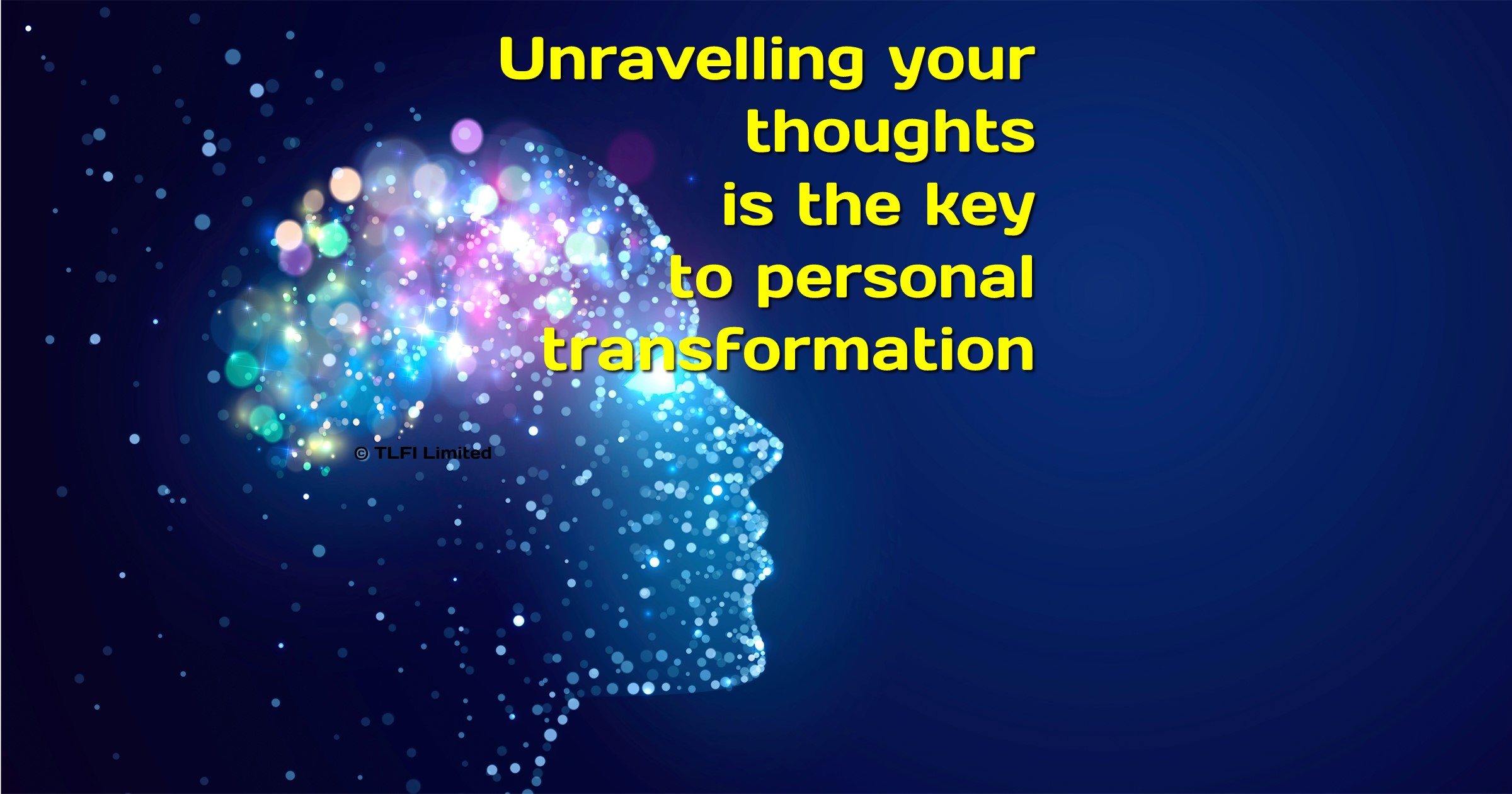
The exploration of how you think, and the unravelling of your thought patterns, offer you a key to making transformative changes in your life. Your thought patterns are the habitual ways in which your mind processes information and responds to situations. Often these processes and patterns of thinking operate proverbially below the surface, beneath the surface of your consciousness. However, these thought patterns shape your beliefs, behaviours, and overall life experiences. The notional journey of personal transformation involves peeling back the layers of these ingrained thought patterns, shedding light on their origins, and consciously reweaving the fabric of your cognitive landscape.

Unravelling your thought patterns begins with self-awareness and mindful observation of the recurring thoughts that govern your perceptions and actions. Identifying these patterns as they occur without attachment, can allow you to discern whether these mental habits contribute to positive growth and experiences, or hinder, confound or delay aspects in your life. Once recognised, the process of unravelling involves challenging and reframing the limiting or undesirable thought patterns. Once challenged, you can stop any reactionary or subconscious thoughts or actions. You can consciously choose thoughts that align with your aspirations and how you want to become.

The profound impact of unravelling thought patterns lies in its ripple effect across various facets of life. As you learn to be aware of your thoughts and actions, you can begin to dismantle the limiting cognitive processes which may have previously ruled or even ruined your life. This intentional exploration and transformation of your thought patterns act as a catalyst for improved personal development, empowering you to navigate challenges with newfound clarity, cultivate positive relationships, and ultimately shape a life aligned with your authentic self.

Embracing Simplicity in a Complex World with Zen Living

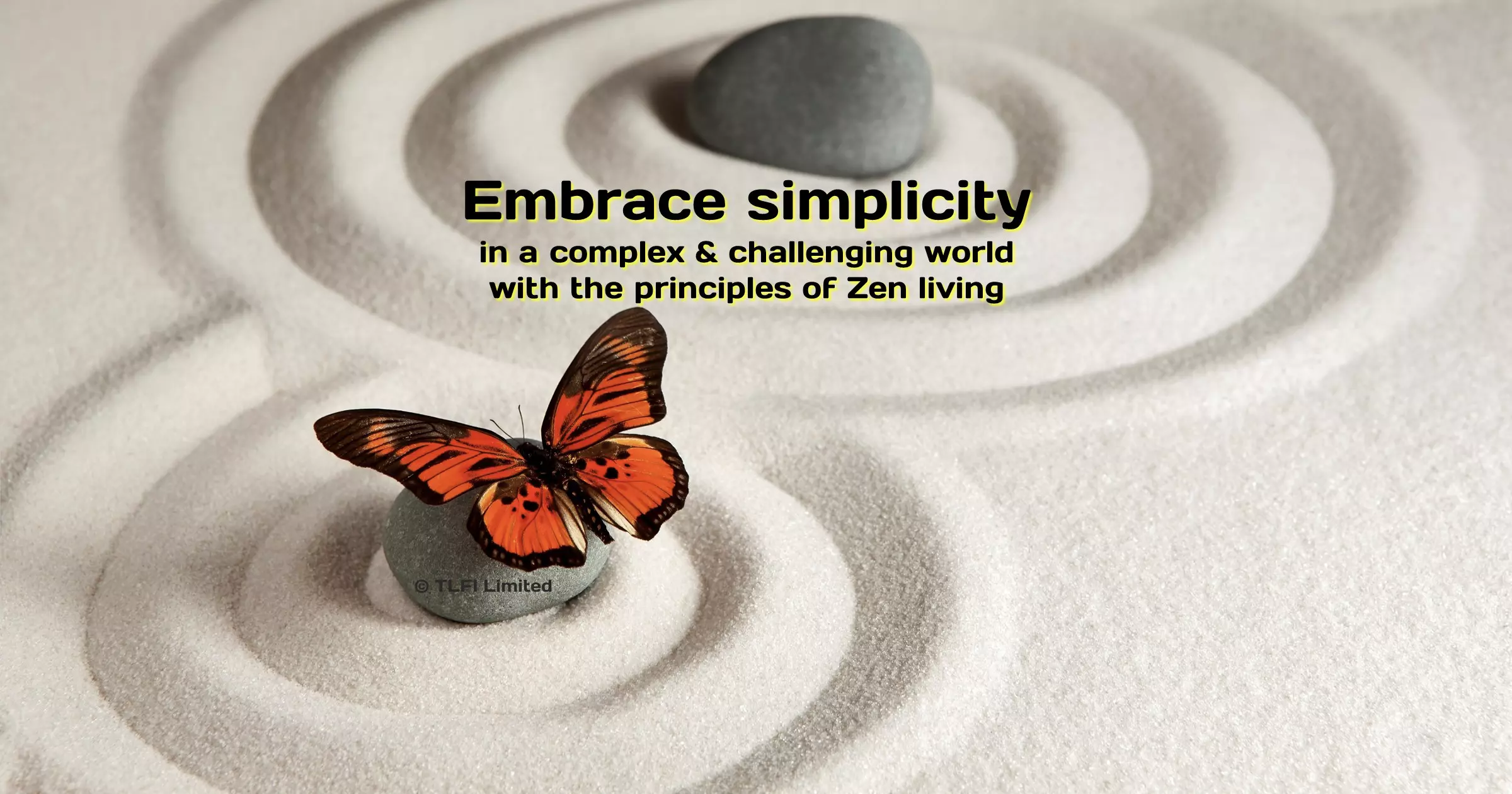
Zen living provides a means for some of us to embrace simplicity amid complexity. Rooted in Zen Buddhism, this approach to life transcends a mere aesthetic preference for minimalism; it is to cultivate mindfulness and intentional living in every aspect of your daily existence. At its core, taking up the principles of Zen living involves stripping away the unnecessary layers of clutter, both physical and mental, to reveal the pure essence of the important aspects of your life. Many have found this a very therapeutic approach to life.

For those of us who have taken this approach to life, embracing simplicity in this complex world is a conscious choice. You choose to prioritise what truly matters, and in the process build a deeper connection with the here and now. One of the hardest aspects is to release attachments to societal expectations and the many associated aspects of material possessions. For those of us who have been able to achieve this, even if in some small way, it allows space for clarity and a heightened awareness of the real richness inherent in each moment. Whether through minimalist home environments, or contemplative meditation, Zen living can provide a means to navigate the complexities of modern life with grace and serenity.

In the modern world, which is characterised by constant noise and distraction, the principles of Zen living offer you a sanctuary of tranquillity. Taking up Zen living is not a proverbial quick fix; it is an ongoing practice that invites you to find joy in the simplicity of existence, fostering a profound appreciation for the beauty that emerges when you take the time to appreciate the moment and what life has to offer.

Take a Deep Breath

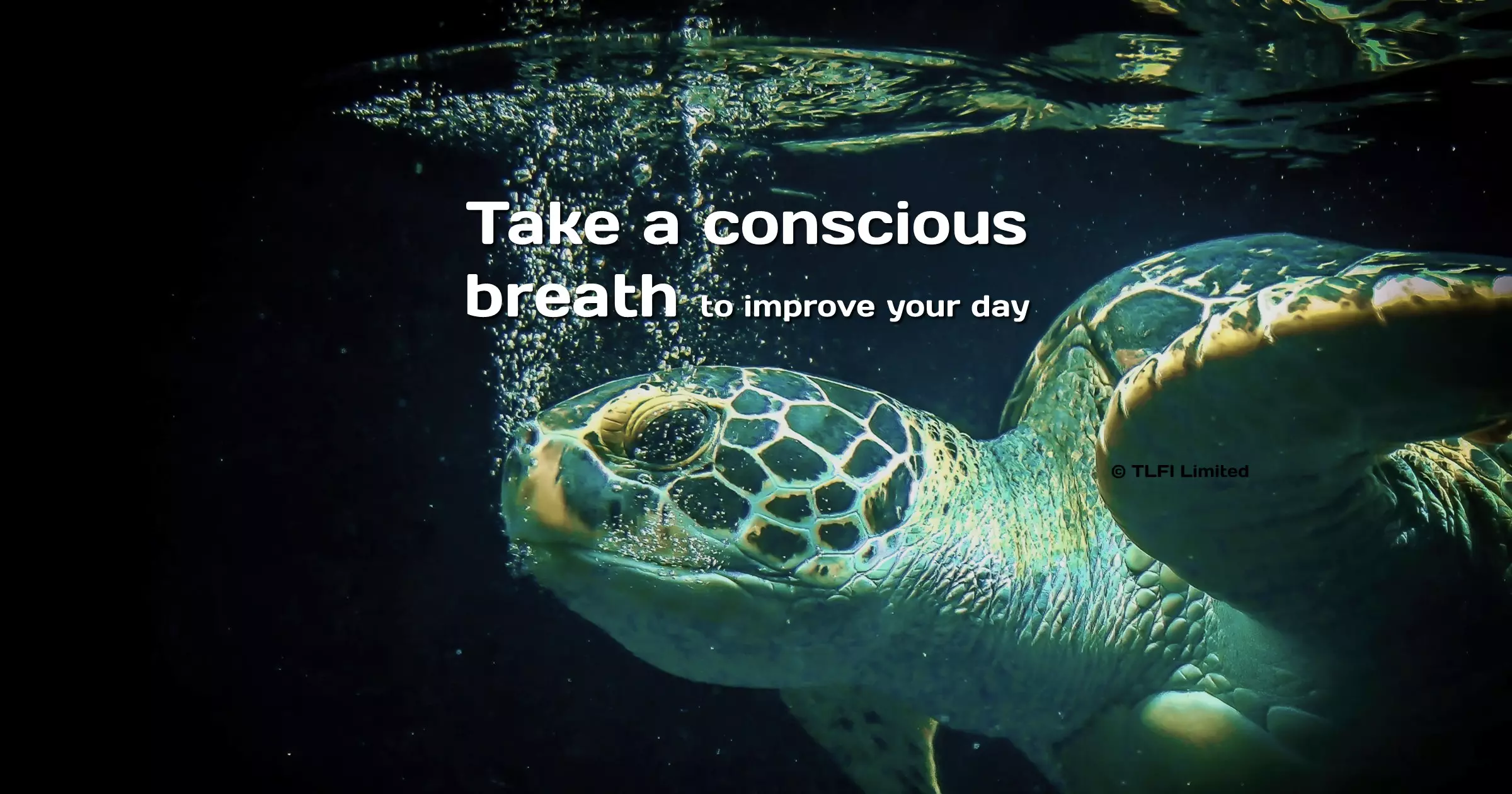
Sometimes in life, it can be important to stop to take a breath. Throughout your life, you constantly breathe, but much of this activity is controlled by the autonomic nervous system of the physical body and goes on unnoticed. The act of taking a breath is a conscious decision to step in and control your breathing. This can be extended to observe all sensations around your breath.

So how can consciously taking a breath be so helpful? Well, the first and most important aspect is that it provides a focus for your mind. If you have been having trouble with erratic thoughts or rampant emotions, focusing your mind in this way can be a simple but effective means to create a pause. When you have paused the mind and given it an alternative focus, you have the opportunity to step in and break the pattern of thoughts or emotions which are impacting your life, then make a conscious choice rather than continuing to react with the passive intellect.

You will also find that if you take a deep and purposeful breath, the act of your deep breathing activates your parasympathetic nervous system. This contrasts with the sympathetic nervous system’s activation, associated with the fight-or-flight response. By consciously engaging with deep breathing, you can access a powerful tool for self-regulation, steering away from the stress-inducing patterns of the modern world.

When approached with intention and mindfulness, your breathing becomes a means to achieve relaxation, infusing the mind with a calm clarity that is conducive to optimal cognitive function. Your brain is a large consumer of oxygen within your body – on the physical level it is then clear to see how conscious breathing opens channels for increased oxygen intake, leading to improved mental clarity.

Conscious breathing extends beyond the cognitive realm, reaching into the emotional and psychological domains. It becomes a tool for breaking free from the ruminations of the passive intellect, offering a pathway to emotional balance and mental resilience. Stopping to consciously take a breath. can be extremely beneficial for your well-being.

Escaping Emotional Jail

Emotional Jail is a powerful metaphor that encapsulates an entrapment which you may experience, due to the web of self-limiting thoughts and emotions manifesting when you get into a so-called emotional state. When you get deeply emotional, it becomes hard to recognise the barriers built by the passive intellect of the mind. In the throes of an emotional state, the passive intellect orchestrates a relentless parade of self-limiting thoughts and corresponding emotions, constructing an intricate tapestry of limitations and excuses. These thought patterns become the bars of your emotional jail, restricting your ability to think clearly. This metaphorical emotional prison is not only a construct of your mind, but also an energetic state that takes its toll on your mental, physical, and emotional well-being.

Escaping your emotional jail is about how you can learn transformative techniques to break the chain of emotional cause and effect. Thereby giving you an opportunity to break free from this emotional quagmire of your own construction.

The journey to escape the emotional jail is an inner odyssey, requiring commitment to mindful awareness and bringing forward cognitive mastery. As you cultivate these skills, they can help you to become aware of the thoughts and emotions which have formed the prison bars and walls. Being aware is the first step to being able to dismantle the walls of self-imposed limitations, creating an opening for renewed mental and emotional freedom. Escaping your emotional jail, requires reclaiming control over your thoughts and emotions, unlocking the potential for a more liberated, empowered, and balanced existence.

Entering into a state of cognition is an extremely useful key to unlocking your emotional jail. This is not a passive quietening of your mind, but a deliberate and focused effort to silence the cacophony of the thoughts. Cognition involves a dedicated purpose of thought, a specific conscious redirection of mental energy toward constructive, empowering, and liberating perspectives. By quietening the mind with intention, you can create a space for clarity, and the dissolution of the emotional jail’s energetic grip.