Positive Psychology

Have you developed a pattern of tuning to the negative? There is a strong correlation between being optimistic and being physically well. Typically, people who express positive emotions are at a reduced risk of becoming ill. Feeling happy is linked with better general health and longer life.

Positive psychology encompasses a variety of techniques that focus on: developing positive thoughts, positive emotions, developing positive experiences. It also works at a deeper level on improving our positive character traits, such as loyalty, humility and integrity. Positive psychology does not discount that there are negatives that impact our lives. Instead, positive psychology aims to look at the situation to better understand human experiences and determine how to best foster positivity and good thinking.
Divert your Brainpower

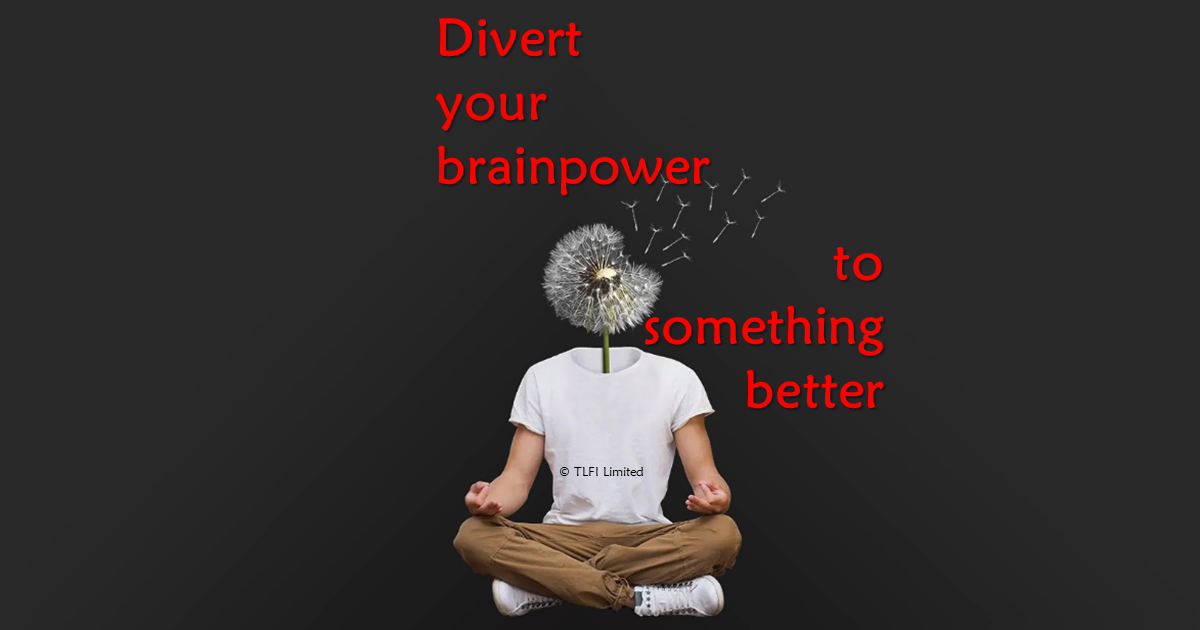
A significant amount of many people’s brainpower is overinvested in worry and concern. Knowing how powerful your mind is, you have the capacity to bring about some change in your life. It will take practice and perseverance; however, thinking anything will occur can be a significant step towards making it happen.

Make an effort to divert some of your mental capacity to evoke more favourable changes in life. Focus on what feels good and find a task that occupies your mind to take the body out of its cycle of negative or disruptive thought.

Apply your Intellect

As individuals, each of us differs from one another in our ability to understand complex ideas, to adapt effectively to our environment, to learn from experience and to engage in various forms of reasoning through the application of active intelligence. These differences are never entirely consistent, as your intellectual capabilities will vary on different occasions and in different aspects of your life.

Do not Feed Detrimental Emotions

It is important that you must learn to master your thoughts and emotions and not just try to suppress or bury them. In the process of mastering your thoughts and emotions, it is important to observe or be aware of that aspect within you. As soon as you acknowledge or observe their presence, then you should strive to remove those unwanted aspects from within or around you. Get rid of any detrimental thought or emotion – do not feed it by dwelling on the matter. This should be your motto to help you master your thoughts.

Complexities of Mind

To fully realise the complexities of the mind, you must change your preconceptions about it. The mind is composed of many different energy levels and sub-levels through which your persona is manifest as one complete unit. The level of mind you use and communicate through, is equal to the thought patterns you allow to manifest within your mind at any given time. Realise that your mind fluctuates and uses many sub mental levels and mental levels throughout any given day.

Joy in your Heart

When you find yourself in an unpleasant mood, consider that you cannot be open to new ideas, regardless of just how fantastic they are.  Without some joy in your heart, life can seem slow and often uninteresting. On the other hand, when you are happy, joyful or in a positive frame of mind, your heart, as well as your mind, are open to brand-new things.  Even thing which may have seemed normal holds a greater significance as you enjoy every moment that life had to offer.

Living Life on Autopilot

As life becomes busier, it is often easy to lose track of what you did from one week to the next. Moving through life on autopilot may seem like an effective way to get things done, but often you are just carrying out daily tasks. Take a moment to disengage the autopilot and pause at least once a day, to experience the moment and wonder of life. Then you will find that life can become more meaningful and you will experience the simple everyday moments that make life beautiful.

Spiritual Gratitude

At the most basic, gratitude is something almost everyone has experienced, and have recognised the warmth of good things which can take place in their lives. While basic gratitude is a collection of ever-changing and fleeting feelings, the deeper aspect of gratitude is based on action, not merely experienced but expressed. This kind of gratitude is practised not just because it feels good, but because it is the appropriate thing to do; not just for one’s own good, but for the good of others or society. Such gratitude outdistances the domain of simple emotions and instead develops as a mindset, a stance, and a philosophy.

This practice of gratitude brings forth a myriad of tangible benefits to the mind and body. Research has revealed that practising gratitude improves the body’s immune system, boosts resilience to stress and anxiety, reduces depression, helps to improves one’s energies, and even aids you to sleep much better. The reasons to purposely practice this deeper form of gratitude, radiates over and above these corporeal effects, to those that embrace your inner self.

Awareness is Enlightening

Pay your attention to all things in life, they are more important than you may realise. As you give more focus to each passing moment, life will no longer seem to be passing you by. You can use the period of introspection to increase your awareness of your inner self and lead to your own enlightenment.

Lessons of Life

It is commonly stated that life teaches us through our mistakes. When you slip up, simply ask yourself what you were destined to learn, as opposed to searching for justifications or to find others to blame. We grow more from our mistakes, errors or blunders when we recognise and accept such lessons with humility and grace.

Is your Mind Making you Busy?

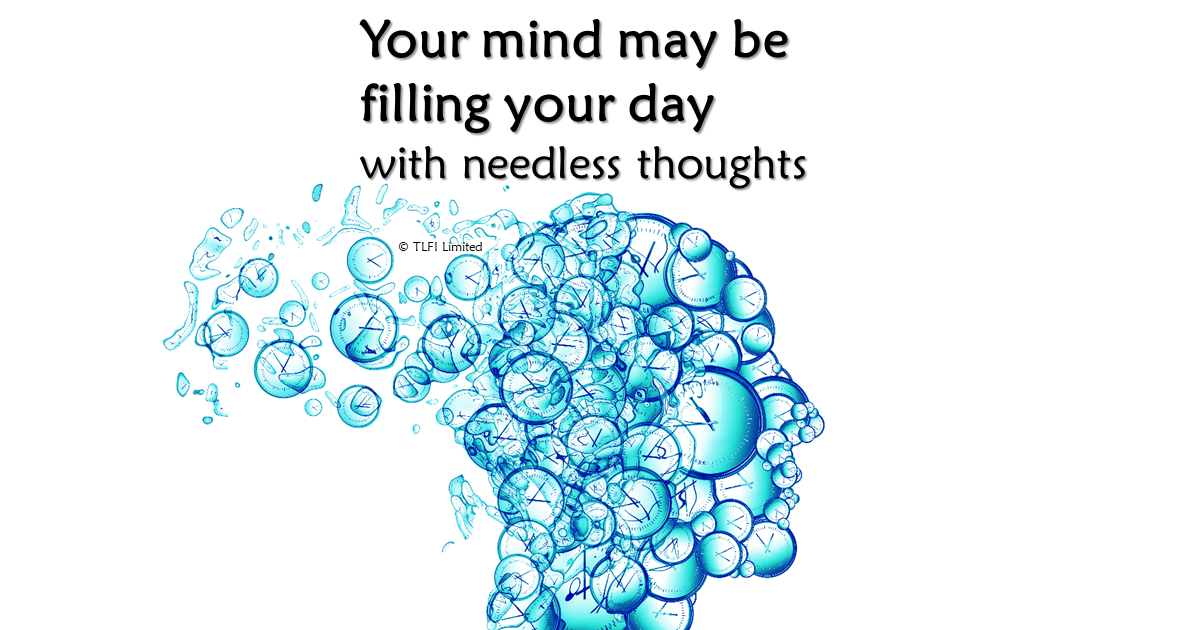
When every little thing around you appears to be rushing by at a frantic pace, stop for a moment. At that point pose the question, is it the world that is hectic, or is it my mind? You may well discover that the truth is, that your mind is cramming your day with countless and frequently unwanted and often unwarranted thoughts.

Year for Change

One thing which is certain in the world is that change is inescapable. The quicker you recognise that changes transpire as an intrinsic and healthy part of life, the more fluidly and in harmony, your life will likely unfurl. A beneficial lesson, which can be grasped on life’s journey, is that you are much better and wiser to take control of your life and circumstances.  Recognise when it is time to make favourable adjustments, and afterwards, proactively make that change take place for yourself.

Illuminating your Life with Intelligence

As humankind, we possess higher intellect, perception, imagination and intellection. The cognitive powers of your mind and your faculties of knowledge operate on multiple simultaneous levels. Through active intelligence, you have the ability and the capacity to combine all of the diverse aspects of your intellect to manifest into life. Through positive thought, you can illuminate your life in the same way as light renders colours visible in the world around us.

Product of your Thoughts

We as human beings are the product of our own thoughts. Our thoughts create the basis of our emotions, feelings and actions or responses. For every single thought or action, there is a reaction or consequence. This is quite comparable to the observations made by Newton when he detailed his third law of motion; to every action, there is an equal and opposite reaction. When you think, your thoughts are formed of energy, and these energies can attract similar energies which can magnify your preliminary thought. Your thoughts influence not only your life, but the world around you and in effect, you become what you think.

Transforming Reactions

With hindsight, we commonly look back at past events in our lives noticing that we could quite possibly have acted or behaved in a different way. To assist you in the future, whenever you become aware of any type of thoughts, feelings or emotions, know that you have the opportunity to consider how to act or respond. At precisely that time, you have the opportunity to not fall into previous reactionary behaviours. So be mindful of your anger when you are upset. Be cognizant of your worry or anxiety if you come to be stressed. If you become aggravated or frustrated, be aware of your irritability. As soon as you realise you are falling into reactionary behaviours, stop, then choose to transform your thinking or respond differently.